Compare Local Contractors for Bulk Soil Delivery Services
Compare local contractors for bulk soil delivery to clearly define your project scope, verify experience, and set expectations in writing for a successful job.
Bulk soil delivery services typically involve transporting large quantities of soil directly to a property for landscaping, gardening, or construction projects. Contractors in this field handle tasks such as loading, hauling, and unloading soil, ensuring the material is delivered in the specified amount and quality needed for the project. Depending on the scope, services may also include coordinating delivery schedules, managing access to the property, and providing advice on soil types suitable for different applications. Clarifying what the work covers helps property owners plan effectively and ensures that all necessary steps are included in the scope of work.
Defining the scope of a bulk soil delivery project is essential to establish clear expectations and prevent misunderstandings. Property owners should specify the quantity of soil needed, the type of soil required, and any specific delivery instructions, such as access restrictions or placement preferences. Documenting these details in writing helps ensure that the chosen service provider understands the requirements and can deliver accordingly. It also provides a reference point for resolving any issues that may arise, making the process smoother and more predictable.
When comparing local contractors for bulk soil delivery, property owners should consider factors such as experience handling similar projects, reputation within the community, and the range of services offered. It’s beneficial to verify how each contractor manages logistics, whether they have the equipment necessary for large-volume deliveries, and how they communicate throughout the process. Gathering information on each service provider’s approach to defining scope and their ability to meet specific project needs can help property owners make informed decisions. Focusing on these practical aspects ensures selecting a contractor capable of delivering reliable, professional service tailored to the project’s requirements.
Compare local contractors by outlining project priorities, verifying experience, and clearly defining scope and expectations.
- Define Project Scope - Clearly outline the volume, type, and delivery requirements of the soil needed.
- Compare Local Contractors - Evaluate experience, reputation, and service offerings of nearby service providers.
- Verify Experience - Ensure contractors have relevant background handling bulk soil delivery projects.
- Document Expectations - Establish written agreements detailing scope, responsibilities, and deliverables.
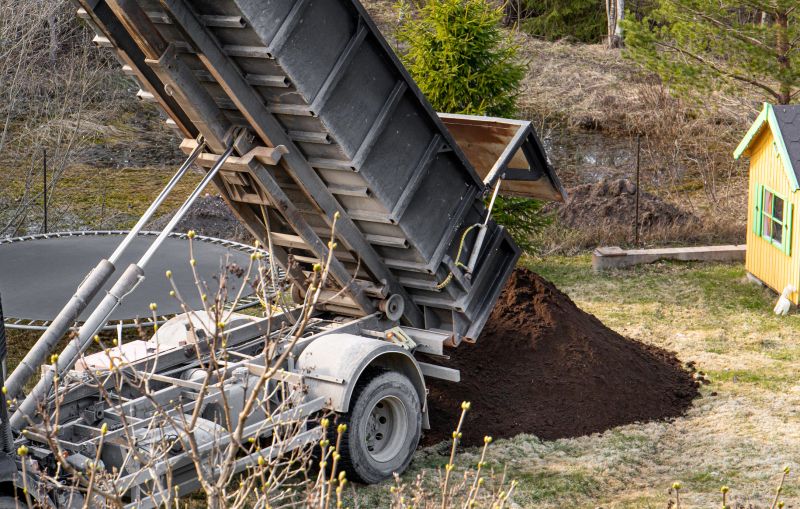
Clearly describe your project needs to help compare contractors, define scope, verify experience, and set expectations in writing.
- Verify the experience and reputation of local contractors handling bulk soil delivery. - Ensure service providers can clearly define the scope of work and delivery specifications in writing.
- Compare the range of soil types and quality options offered by different local contractors. - Clarify the delivery process and how soil will be transported and placed on-site.
- Check that contractors provide detailed descriptions of their equipment and handling procedures. - Confirm that expectations for site access and preparation are addressed upfront.
- Assess the communication methods used by local service providers to ensure clear project understanding. - Make sure all project details and responsibilities are documented in writing.
- Review the experience of local contractors with similar soil delivery projects to gauge reliability. - Confirm that the scope of work aligns with specific project needs before proceeding.
- Determine how contractors will handle any issues or discrepancies that may arise during delivery. - Establish protocols for addressing concerns and ensuring smooth coordination.
Compare local contractors, clarify project scope, verify experience, and document expectations to ensure a smooth process.
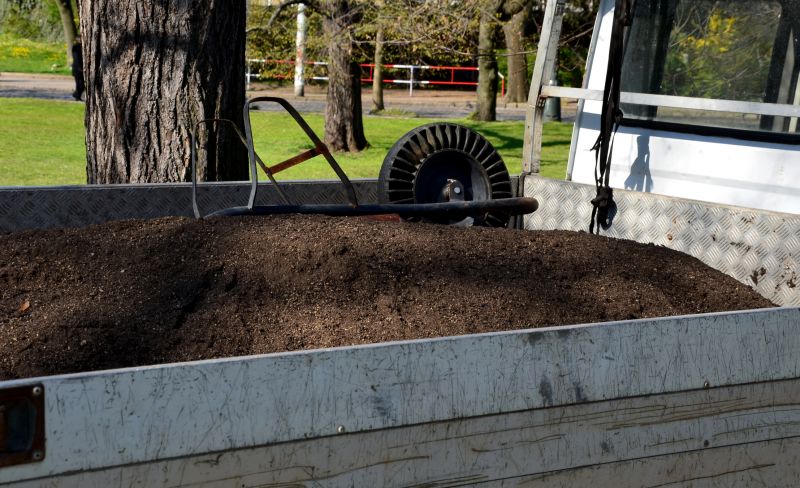
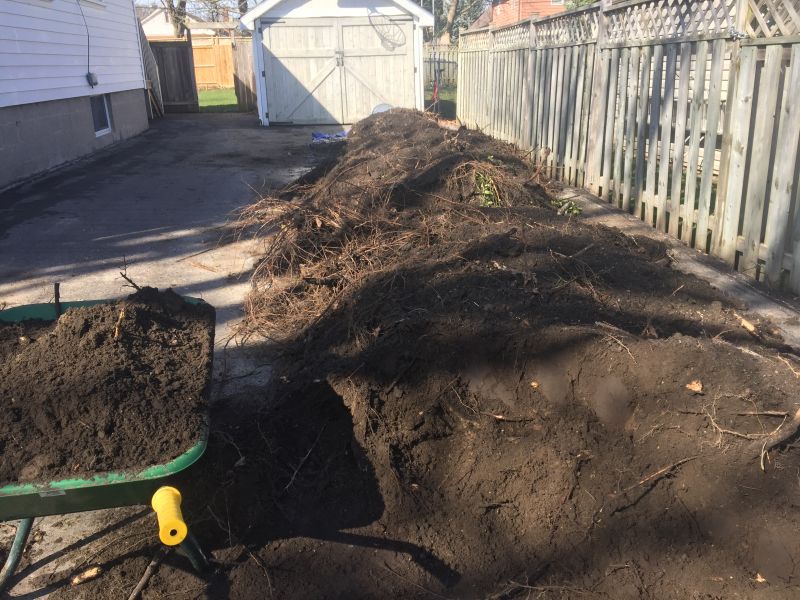

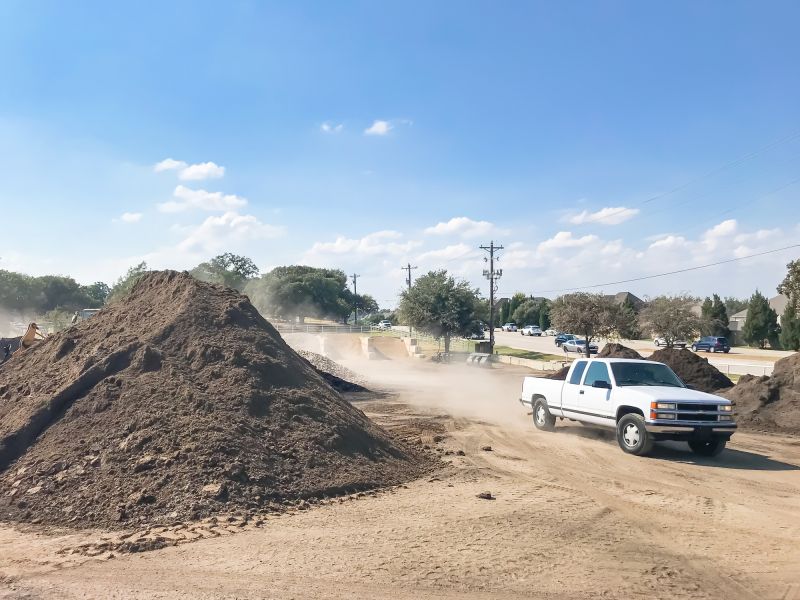
Use clear, consistent comparison criteria to evaluate local contractors' scope, experience, and written expectations for bulk soil delivery.
- Scope Definition - Clearly outline the quantity, type, and quality of soil required for the project.
- Experience Verification - Confirm that service providers have relevant experience with bulk soil delivery for similar projects.
- Material Specifications - Specify the soil grade, composition, and any additional requirements needed for the job.
- Delivery Requirements - Detail access points, delivery timing preferences, and any site-specific considerations for the soil drop-off.
- Written Agreement - Ensure all scope details, responsibilities, and expectations are documented in a written contract.
When comparing contractors for bulk soil delivery, it is important to evaluate their experience with similar projects. Homeowners should seek out service providers who have a proven track record of handling soil delivery for projects comparable in size and scope. Asking about past work can help establish whether a contractor has the practical knowledge needed to meet specific requirements, such as working with large volumes or navigating challenging site conditions. A contractor’s familiarity with similar projects can provide confidence that they understand the logistics, equipment needs, and potential challenges involved.
Clear, written scope definitions are essential when assessing bulk soil delivery services. Homeowners should ensure that contractors provide detailed descriptions of what is included in their service, such as the amount of soil, delivery method, and any site preparation or access considerations. A well-defined scope helps prevent misunderstandings and sets clear expectations for the work to be performed. When reviewing proposals or estimates, look for documentation that explicitly states the deliverables, timelines, and responsibilities, which can serve as a reference point throughout the project.
Verification of a contractor’s background and experience can be achieved through several basic checks. Homeowners are encouraged to request references or examples of previous projects similar to theirs. Additionally, verifying that a service provider is properly insured and has the necessary equipment for handling bulk soil can help ensure a smooth delivery process. While licensing and certification are not explicitly discussed here, confirming that a contractor maintains a solid reputation and a history of reliable service can be valuable indicators of their professionalism and capability.
Evaluating options without focusing on prices involves considering the quality of the services offered and the clarity of communication. Homeowners should compare how thoroughly each contractor explains their process, the scope of work, and any additional services they provide. It’s also helpful to assess the professionalism of written proposals and how well the contractor understands the project’s specific needs. By emphasizing experience, scope clarity, and verification, homeowners can make informed choices among local contractors, ensuring the soil delivery service aligns with their project requirements and expectations.
Request written scope details to ensure clear expectations and consistent comparison between local contractors.
- **Scope of Service** - What specific types of soil delivery services do different contractors provide?
- **Experience and Expertise** - How long have the service providers been handling bulk soil deliveries and what is their familiarity with project requirements?
- **Material Quality and Specifications** - How do contractors ensure the soil meets the necessary quality and composition standards for your project?
- **Scope Clarification** - What is included in the delivery scope, such as unloading, site preparation, or soil testing?
- **Written Agreements** - How are scope details and expectations documented to prevent misunderstandings?
How can I compare contractors for bulk soil delivery? To compare local contractors, review their experience, services offered, and reputation. Gathering multiple quotes and checking references can help identify providers that meet specific project needs.
What should I include when defining the scope of soil delivery? Clearly specify the amount of soil needed, delivery location, and any access considerations. Providing detailed information helps contractors understand the project requirements and deliver accurate proposals.
How can I verify a contractor’s experience with bulk soil delivery? Ask about previous projects similar in size and scope, and request references or reviews. Confirming their background ensures they have the necessary expertise for the job.
What is the importance of having the scope of work in writing? A written scope clarifies expectations, minimizes misunderstandings, and provides a reference for project details. It helps ensure all parties agree on the deliverables and responsibilities.
How do I ensure a contractor understands my specific soil delivery needs? Communicate your project details clearly, including quantity, timing, and access points. Confirm that the contractor has noted these details in the written scope or agreement.
What factors should I consider when choosing a soil delivery contractor? Consider their experience, reputation, scope of services, and ability to meet project requirements. Comparing these aspects can help identify the most suitable service provider for the job.
By reviewing the information provided, visitors can better understand how to identify qualified contractors for bulk soil delivery, including defining project scope, verifying experience, and setting clear expectations in writing. This approach helps ensure that the selected service providers are well-suited to meet specific project needs. Using the quote form to compare local contractors offers a straightforward way to explore options and make informed decisions based on the details that matter most.
Taking a few moments to utilize the quote form allows visitors to connect with local contractors who can handle bulk soil delivery services tailored to their project requirements. Comparing several service providers helps clarify choices and find the right match for the job. Engaging with local service providers through this process supports making well-informed decisions based on the scope and expectations outlined in written communication.